How should decentralized users share a common channel?
We characterize stability, throughput, and delay in random-access networks—and design control mechanisms that approach their fundamental limits.
Professor Lin Dai · Department of Electrical Engineering · City University of Hong Kong
I study the mathematical foundations of communication and networking—developing models that reveal why complex systems behave as they do, and principles that remain useful as technologies change.
My recent work pursues two complementary directions: applying reinforcement learning to revisit fundamental access design in communication networks, and using the unified theory of random access I developed to explain and guide reinforcement learning-based access design.

Communication and networking theory · City University of Hong Kong
lindai@cityu.edu.hkResearch philosophy
Our goal is not simply to improve one protocol. We look for mathematical structures and general laws that explain entire families of communication systems.
We characterize stability, throughput, and delay in random-access networks—and design control mechanisms that approach their fundamental limits.
We develop a coherent theory of random access that unifies Aloha and CSMA, revealing the value, cost, and fundamental limits of carrier sensing.
Beyond conventional data rates, we investigate timely information delivery under fading, delay constraints, and aging information.
We study network decomposition, clustered cell-free systems, resource allocation, and infrastructure placement through analytical models.
We use reinforcement learning to revisit fundamental access problems, then connect learned strategies with analytical theory to explain and optimize their behavior.

Selected work
For prospective students who want to understand the intellectual arc of our work, these papers offer an accessible starting point.
A unified analytical foundation for characterizing stability regions, determining operating regions, and guiding the optimal design of random-access networks.
Reinforcement learning for distributed access design, interpreted and guided through analytical theory.
Rethinking reliable and timely communication when information loses value with age and channels vary over time.
Dividing a large wireless network into parallel subnetworks while limiting inter-subnetwork interference and joint-processing complexity.
Mentorship & outcomes
“A successful PhD is not a collection of results—it is the development of a research mind.”
Our students learn to identify fundamental questions, build tractable models, and communicate ideas with precision. Many alumni have continued their research careers in academia.
Selected PhD alumni
Life in the group
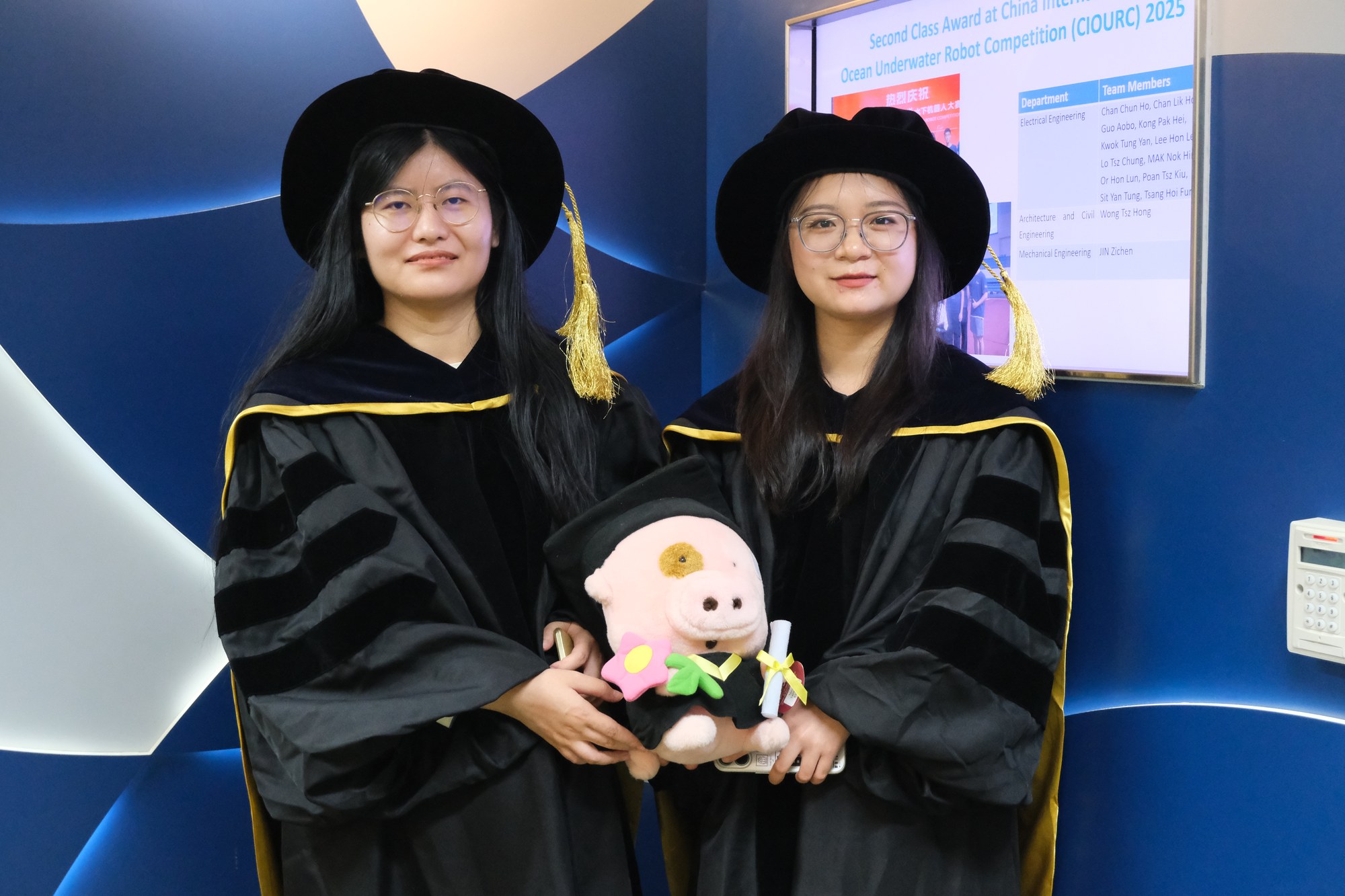
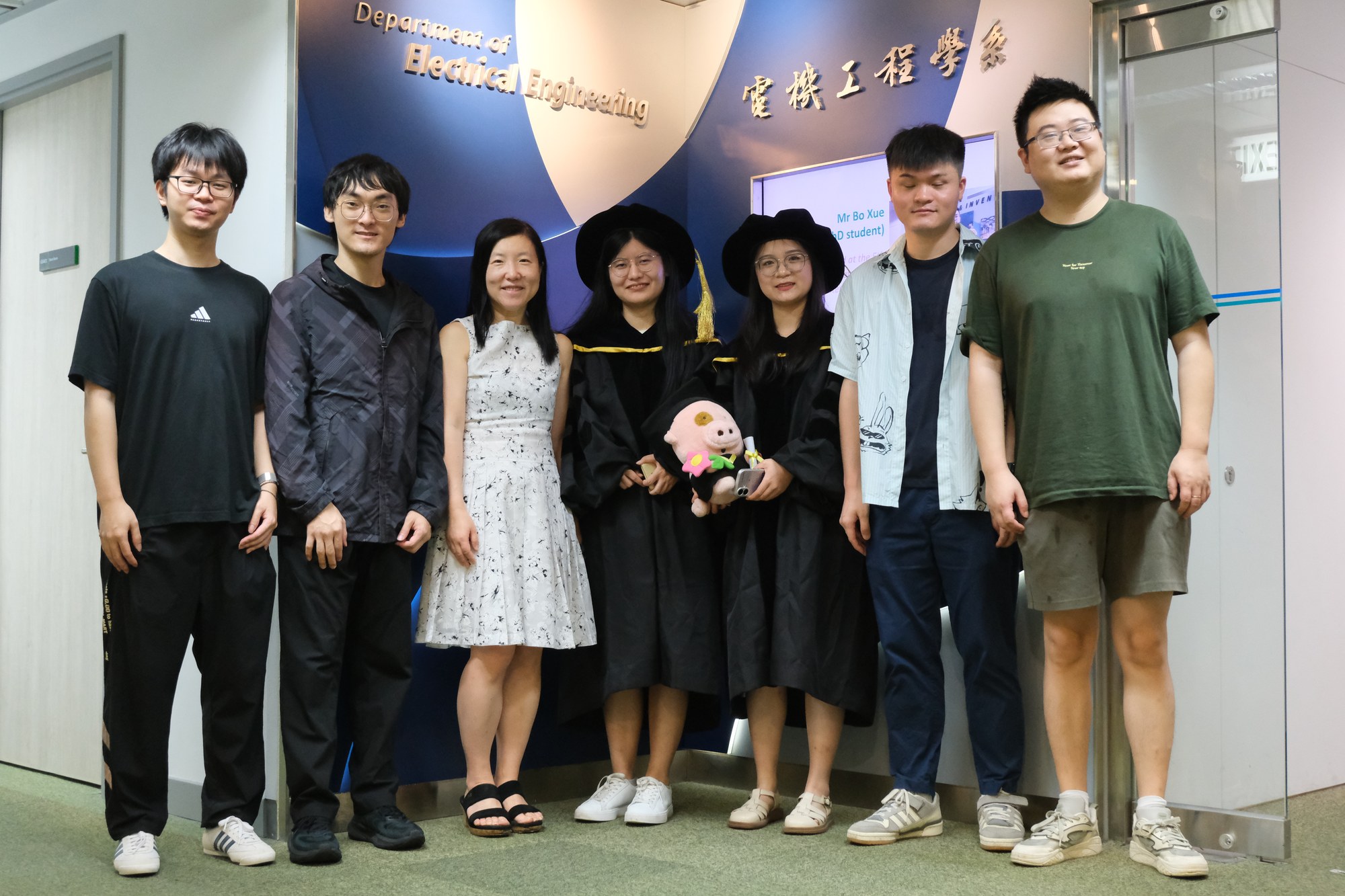
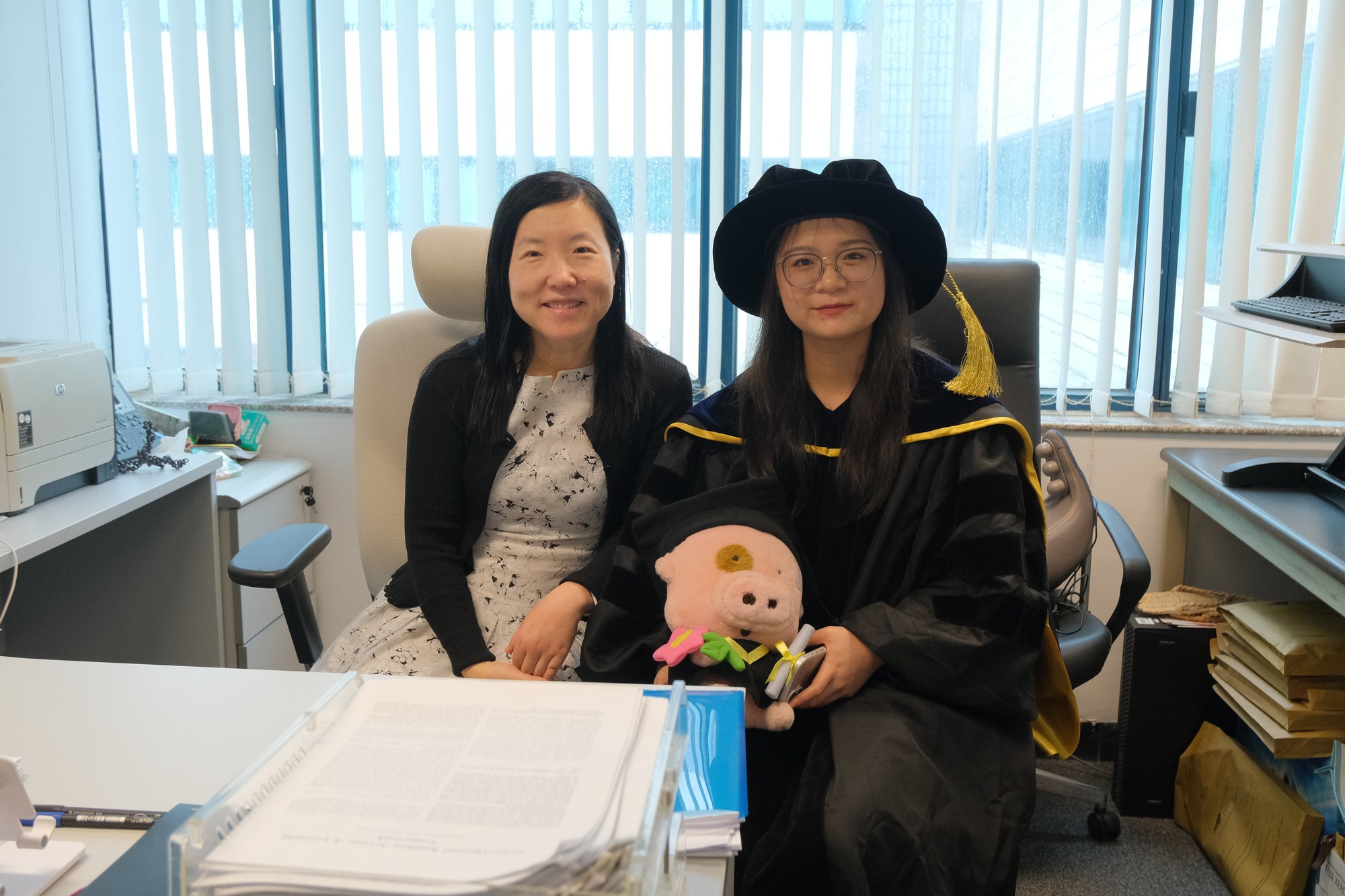
Research is demanding, but it is also a shared journey—through graduations, discussions, friendships, and time together beyond campus.


Teaching
My courses connect mathematical principles with the design of real communication systems, from core undergraduate concepts to advanced wireless technologies.
Fundamental principles of analog and digital communications, including deterministic and random signal analysis, amplitude and frequency modulation, sampling and quantization, and digital modulation and demodulation.
Course information →Core concepts behind data networks, layered architectures, communication protocols, and network performance.
Course information →Fading, diversity, channel capacity, and centralized and distributed multiple access from a systems perspective.
Course information →Selected talks
Invited lectures, webinars, and research talks offer an accessible route into the questions, analytical frameworks, and design principles behind our work.
How analytical theory and learning-based methods can work together to shape distributed access for future IoT networks.
A common analytical foundation for understanding and optimizing random-access schemes across performance metrics.
Challenges, analytical foundations, and prospects for massive distributed access · IEEE Distinguished IoT Webinar.
Prospective students
I welcome students who want to understand not only how a system works, but why—and what its limits must be.
Introduce yourselfYou may thrive here if you…